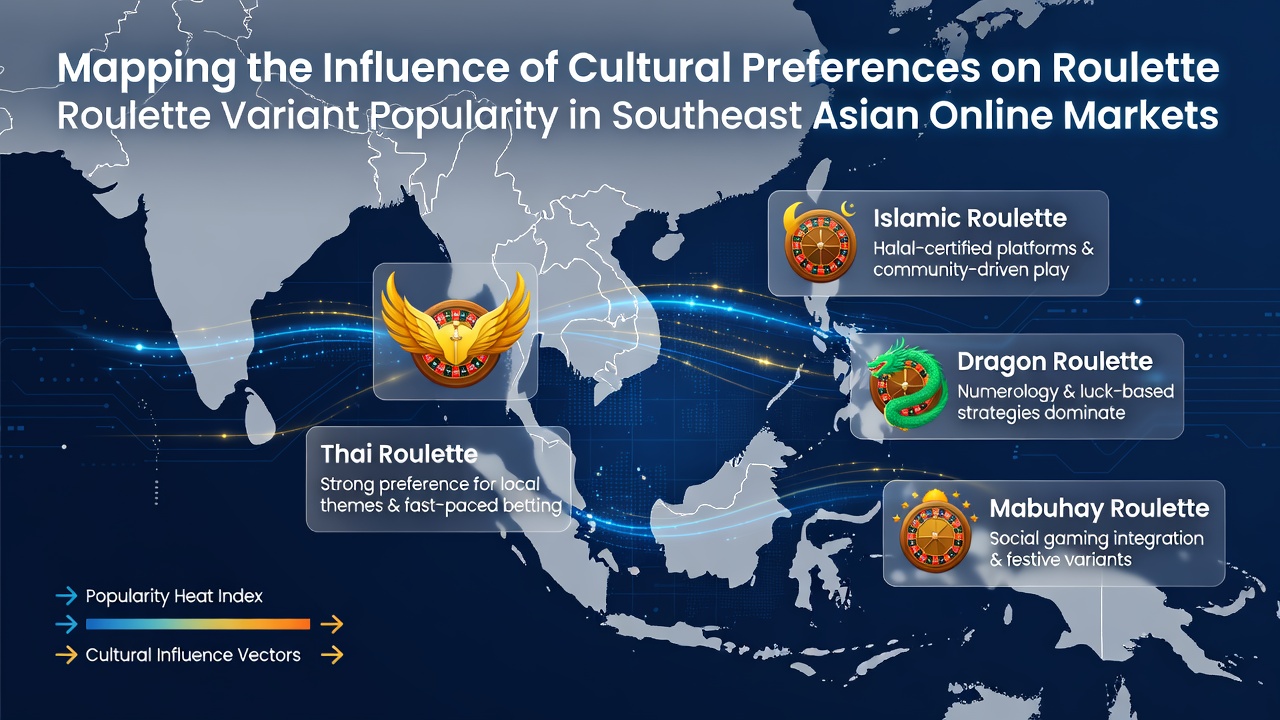
Cultural Drivers Behind Roulette Variant Selections Across Southeast Asian Online Platforms
Regional data from mid-2026 shows distinct patterns in how cultural elements shape choices between European, French, and American roulette formats on platforms serving players in the Philippines, Malaysia, Vietnam, Thailand, and Indonesia. Observers tracking activity through July 2026 note that red-themed interfaces and number sequences tied to local numerology traditions appear more frequently in markets where symbolic meanings influence engagement rates.
Regional Regulatory Contexts and Market Data
Philippine Amusement and Gaming Corporation reports indicate steady expansion of licensed online offerings through the first half of 2026, with roulette variants reflecting player interest in both standard wheel formats and those incorporating additional betting options drawn from regional card game traditions. Meanwhile, Malaysia's Ministry of Finance gaming oversight figures reveal higher session durations on wheels featuring prominent red and gold visual elements compared to neutral color schemes.
Player Behavior Patterns and Symbolic Influences
Research from the National University of Singapore highlights how preferences for specific number clusters emerge in online sessions, often aligning with cultural beliefs around luck and prosperity that predate digital gaming. Data collected across multiple Southeast Asian jurisdictions shows elevated selection rates for variants allowing repeated bets on numbers considered auspicious during festival periods, while participation in American-style double-zero wheels remains lower in markets with stronger historical ties to European gaming imports.
Those analyzing transaction logs observe that live dealer streams incorporating local language options and background music drawn from traditional ensembles maintain longer average play intervals than standard international feeds. This pattern holds across operator reports from Thailand and Vietnam, where cultural familiarity appears to guide initial variant selection before players explore alternatives.
Comparative Adoption Rates by Country
Statistics compiled by Singapore's Gambling Regulatory Authority through June 2026 demonstrate consistent preference for single-zero wheels among players who also engage with regional lottery products, whereas multi-zero formats see greater trial rates among demographics already familiar with Western casino media. In Indonesia, where regulatory frameworks limit certain offerings, recorded activity centers on simplified betting interfaces that mirror elements of local dice games.
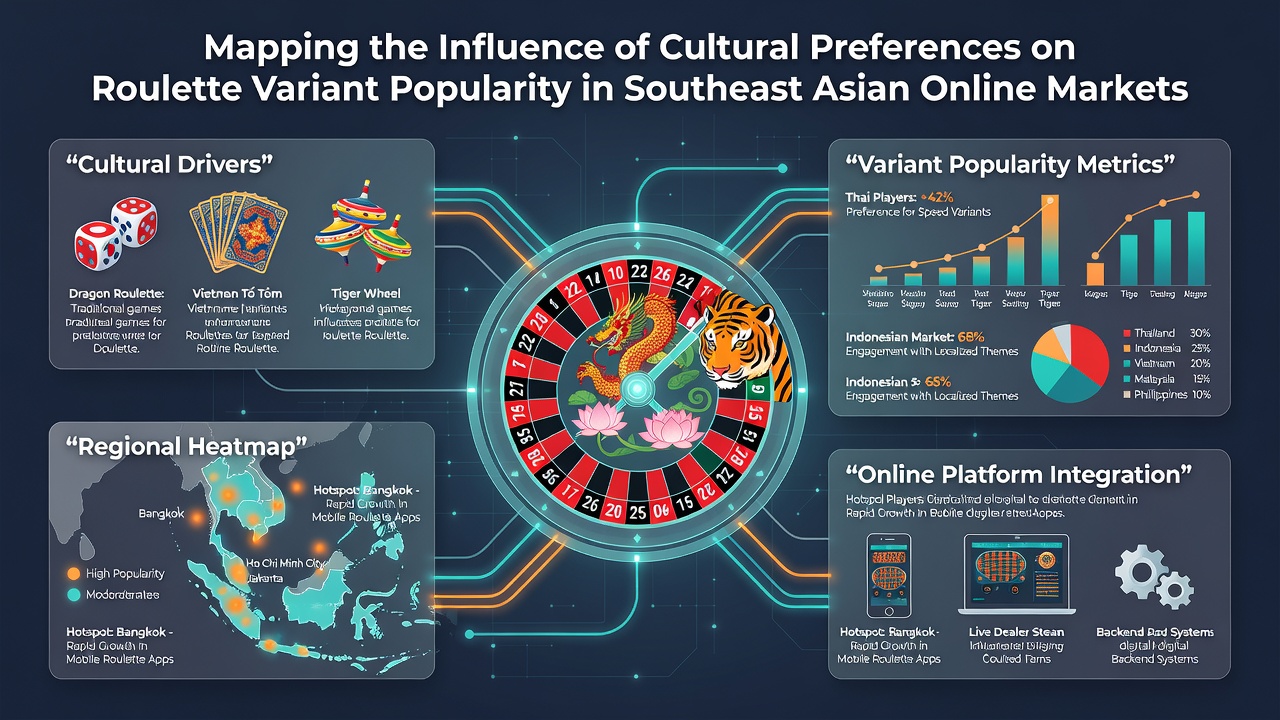
Cross-border comparisons compiled by the Asian Gaming Research Institute reveal that French roulette rules incorporating la partage or en prison mechanisms gain traction in markets exposed to historical French colonial influences, while pure European formats dominate in areas with stronger British-era gaming legacies. These distinctions appear in aggregated player data rather than isolated surveys.
Technology Integration and Localization Trends
Platform developers responding to 2026 usage metrics have introduced wheel customizations that embed culturally resonant symbols into side bets without altering core probability structures. Tracking services note that such modifications correlate with increased retention in Vietnamese and Thai segments, where visual alignment with auspicious motifs shows measurable effects on return visit frequency.
Industry reports from the Casino and Gaming Association of Asia document how mobile interfaces optimized for regional payment systems also bundle variant recommendations based on previous selections tied to cultural events, creating feedback loops visible in July 2026 engagement statistics.
Conclusion
Available datasets from multiple Southeast Asian authorities establish clear correlations between cultural reference points and roulette variant uptake, with localization features emerging as consistent factors across the monitored markets. Continued collection of anonymized session data through the remainder of 2026 will allow further mapping of these relationships as regulatory environments evolve.