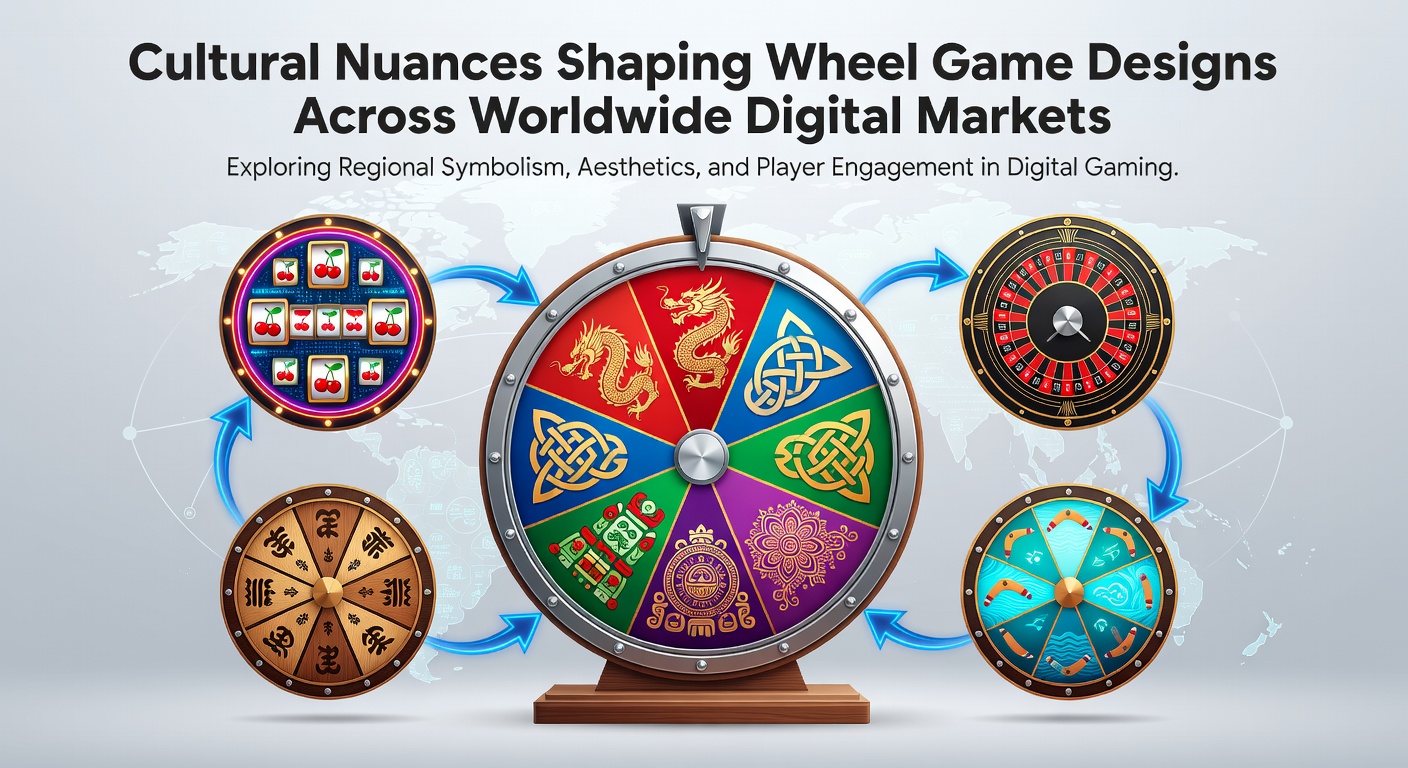
Cultural Nuances Shaping Wheel Game Designs Across Worldwide Digital Markets
Wheel games in digital markets reflect distinct cultural priorities that developers incorporate into mechanics, visuals, and payout structures, and data from operators across multiple continents shows these choices affect player engagement patterns in measurable ways. In May 2026 platforms serving Asian audiences continue to emphasize symbols tied to prosperity such as red accents and the number eight while European variants retain single-zero layouts that trace back to 19th-century French tables.
Regional Symbolism in Visual and Numerical Design
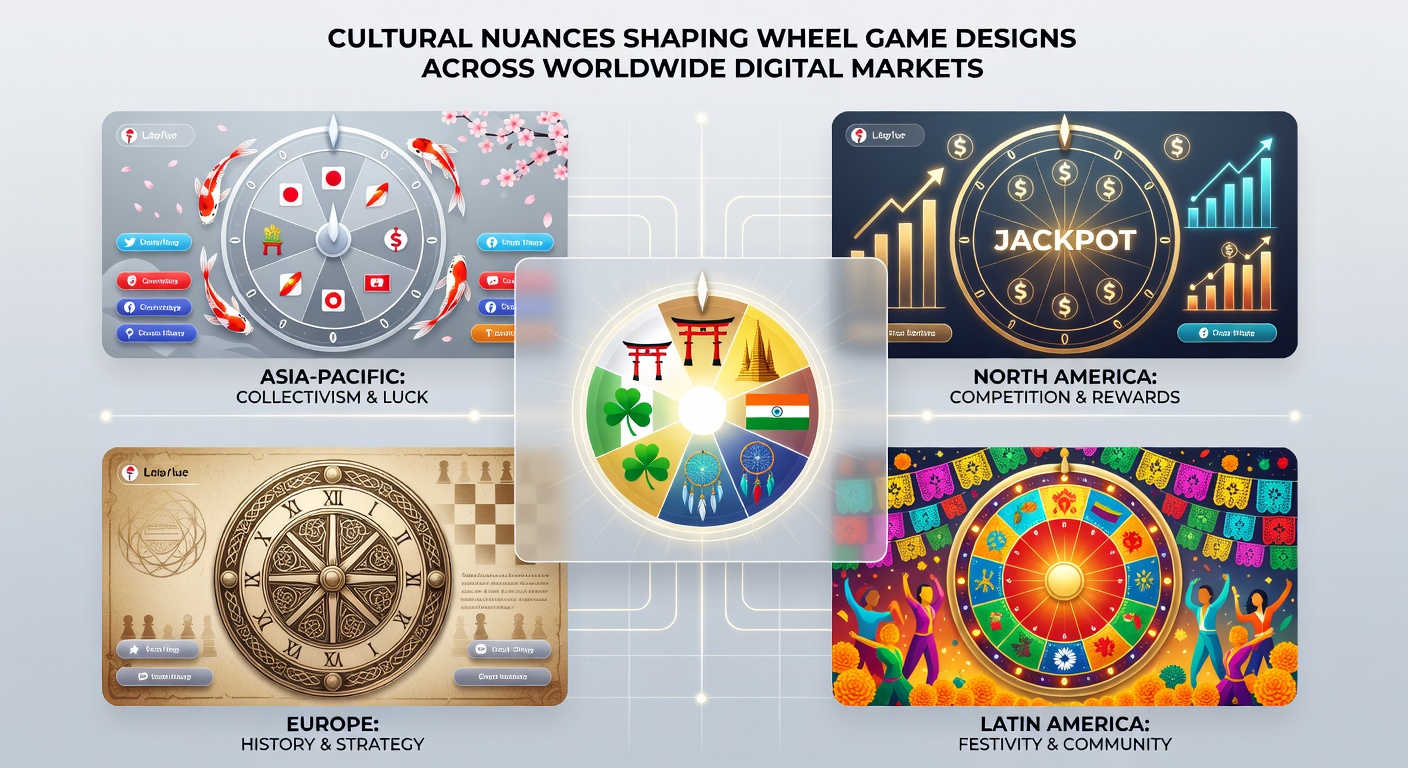
Developers adjust color palettes and iconography to align with local beliefs, and market reports indicate that Chinese-facing sites feature dragons alongside traditional wheel elements because these motifs connect with longstanding numerology practices. Japanese platforms instead highlight cherry blossoms and torii gates in their interfaces, choices that research from regional analytics firms links to higher session durations among domestic users. Latin American markets incorporate vibrant patterns drawn from local festivals, whereas North American releases often maintain classic green felt aesthetics with added customization layers for mobile screens.
Adaptations in Game Mechanics Across Continents
Rulesets also shift according to cultural expectations around risk and pacing, and operators in high-growth Southeast Asian markets frequently introduce rapid-spin modes that compress round times to match shorter attention cycles common in those regions. European studios preserve slower, more deliberate sequences that mirror land-based casino traditions, and figures from the iGaming Ontario regulatory reports confirm these slower formats sustain longer average play periods among Canadian players. Australian developers add community jackpot layers that activate after specific wheel outcomes, a feature shaped by collective gaming preferences documented in local industry surveys.
Regulatory Frameworks and Cultural Compliance
Government guidelines in different jurisdictions require wheel designs to respect local values, and compliance teams routinely modify animations or remove certain motifs to meet approval standards. Platforms entering Middle Eastern markets strip away alcohol-related imagery while retaining core probability structures, and similar adjustments appear in releases targeting conservative segments of South Asian audiences. Data compiled through 2026 shows that such localized compliance correlates with faster licensing timelines and broader distribution across regulated digital channels.
Technological Integration of Local Preferences
Backend systems now track regional behavior to refine wheel algorithms and bonus triggers, and developers report that machine-learning models trained on market-specific data improve retention when they prioritize culturally resonant features. In African digital markets, for instance, integration of communal bonus rounds reflects group-oriented play styles, while North American titles emphasize individual achievement tracking. These technical choices rest on usage statistics rather than assumptions, and cross-border operators share aggregated findings through industry associations to refine future releases.
Player Retention Patterns Tied to Cultural Alignment
Retention metrics across worldwide platforms demonstrate that culturally matched designs maintain higher repeat engagement rates, and longitudinal studies conducted by academic research groups show measurable differences in churn when symbols or pacing diverge from user expectations. Markets that adopted hybrid wheels blending multiple regional influences experienced mixed results, whereas focused localization efforts produced steadier growth through the first half of 2026. Observers note that these patterns hold across both desktop and mobile formats, suggesting the underlying preferences operate independently of device type.
Emerging Trends in Cross-Market Wheel Development
Collaborations between studios in different regions accelerate the exchange of design elements, and joint projects announced in early 2026 combine European probability frameworks with Asian visual themes for international audiences. Such partnerships require careful calibration to avoid diluting core cultural signals, and preliminary deployment data indicates success depends on iterative testing within each target territory. Regulatory bodies in multiple countries continue to monitor these blended products to ensure ongoing alignment with local standards.
Conclusion
Wheel game designs in digital markets evolve through continuous negotiation between global technical standards and localized cultural requirements, and evidence from operational data across regions confirms that thoughtful integration of regional nuances supports sustained player participation. As platforms expand into new territories through 2026 and beyond, developers rely on empirical feedback loops rather than generalized assumptions to maintain relevance across diverse user bases.