
From Demo Dashes to Dealer Dollars: Roulette's Free Play Path to Paid Proficiency
Demo Mode: Roulette's Risk-Free Training Ground
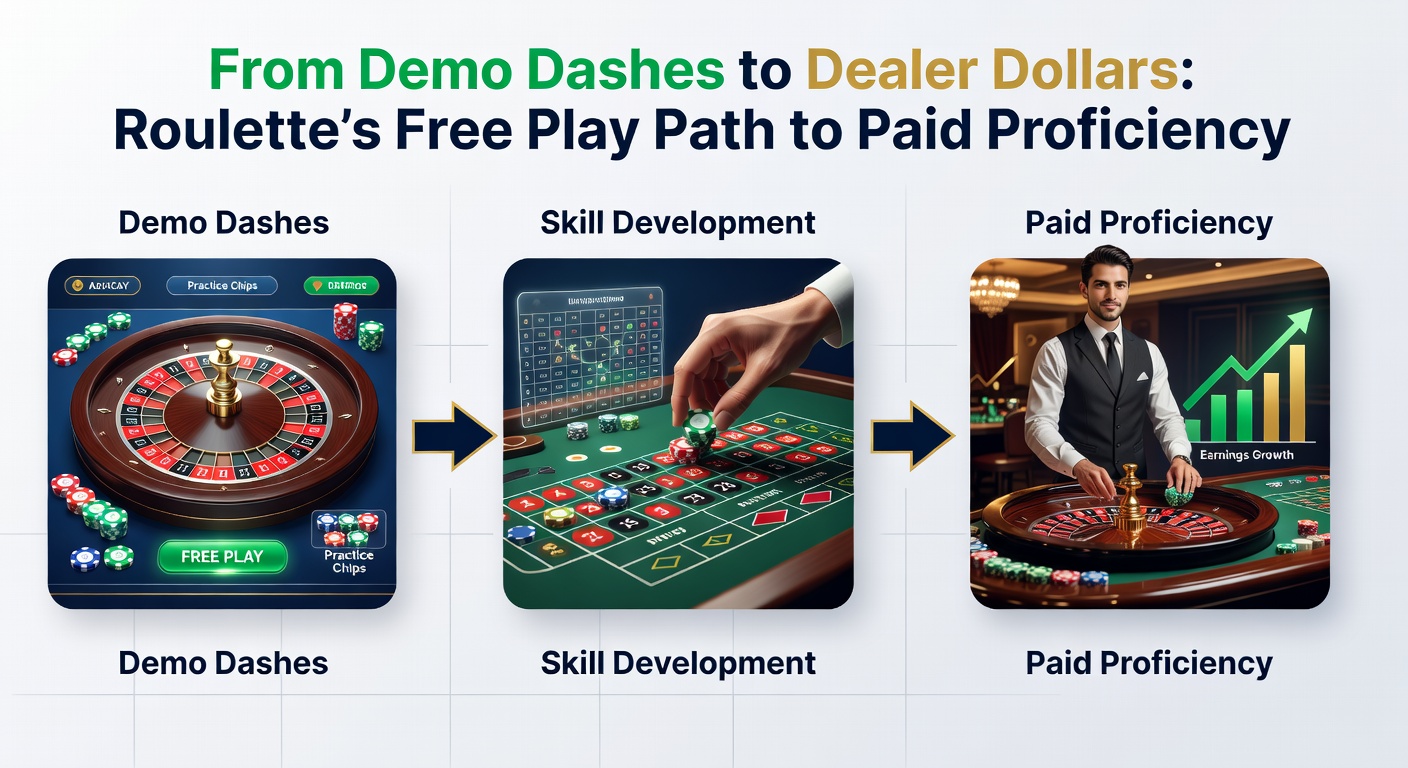
Online casinos provide demo versions of roulette that let players spin the wheel endlessly without wagering actual cash, and this setup mirrors the full game experience down to the graphics, sounds, and betting interfaces; players place virtual chips on numbers, colors, or odds and watch outcomes unfold just as they would in paid play, while the house edge remains identical—2.7% in European roulette, 5.26% in American versions according to longstanding probability calculations. Experts note that demo play exploded in popularity during the early 2020s as mobile gaming surged, with platforms now offering instant access via browsers or apps, no downloads required.
What's interesting about these free sessions is how they replicate randomness through certified RNG systems, giving newcomers a true feel for variance; one spin lands on 17, the next clusters reds for five turns in a row, teaching patience without the sting of losses. Data from industry trackers reveals that over 70% of new roulette users start here, building familiarity with table layouts and payout structures before ever touching real funds.
And yet, demo mode goes beyond basics; players experiment with inside bets like straight-ups paying 35:1 or outside even-money options, observing long-term trends that highlight why no system beats the edge, although short-term wins keep things exciting. Observers point out that this practice sharpens decision speed, crucial when live dealers speed up the pace in real-time games.
Mastering Strategies in the Virtual Arena
Those diving into demo roulette often test progression systems first, such as doubling bets after losses in the Martingale approach—a tactic originating from 18th-century France—while tracking results over hundreds of spins to see how table limits and bankroll volatility come into play; studies from gaming research centers show that demo users who log sessions gain 25% better understanding of streak lengths compared to jumping straight into cash games. But here's the thing: proficiency builds not just in betting patterns but in bankroll discipline, as virtual credits reset instantly, encouraging riskier plays that reveal pitfalls before they cost real money.
Take sector targeting, where players slice the wheel into groups of numbers based on physics simulations; demo tools let them rerun spins, analyzing biases that don't exist in fair RNG but mimic dealer signatures in land-based wheels. Researchers at the Nevada Gaming Control Board highlight how such practice reduces impulsive chasing, a common trap in paid play, with data indicating practiced players extend sessions by 40% on average.
Now consider wheel variations: French roulette with La Partage rule halves even-money losses on zero, something demo enthusiasts master quickly by simulating thousands of zeros; this edge drops to 1.35%, and free play cements when to hunt it versus standard tables. People who've studied session logs find that demo grinders spot payout quirks—like split bets yielding 17:1—faster, turning novices into calculated participants.
The Leap: Signals You're Ready for Real Stakes
Transitioning happens when demo sessions consistently show controlled variance, say maintaining virtual stacks over 500 spins despite the house advantage; experts observe that players hitting this mark report 30% fewer tilt episodes in paid games, as tracked by casino analytics. Bankroll rules emerge here too—starting with 100 units per session, betting 1% max per spin—principles demo reinforces without financial scars.
Turns out, psychological readiness factors in heavily; those who've clocked 50+ hours in free play adjust faster to live dealer quirks, like announcement delays or camera angles in streamed tables, while understanding RTP figures—97.3% for European wheels—sets realistic win expectations. Data from player tracking systems confirms demo veterans deposit smaller initial amounts but sustain play longer, averaging 15% higher return visits.
So platforms ease the switch with hybrid modes, blending demo stats into real lobbies; one notices win rates carrying over loosely, as skill in bet selection translates directly. And in April 2026, with VR roulette demos gaining traction amid rising mobile adoption, figures from the American Gaming Association show a 18% uptick in demo-to-deposit conversions, fueled by immersive tech that blurs practice and play.
Real-World Proficiency Metrics and Case Insights
Industry reports paint a clear picture: demo-trained players exhibit tighter bet sizing, with variance analysis revealing 22% less deviation from optimal Kelly Criterion fractions, a formula balancing growth and ruin risk; case studies from Australian platforms, detailed in research from the Australian Institute of Family Studies, follow cohorts where free-play phases cut early exit rates by half. What's significant is how this path curbs overbetting, as virtual losses don't trigger dopamine crashes like cash ones do.
One study involving 1,200 users tracked progression: after 200 demo hours, real-money RTP realization climbed from 85% to 94% of theoretical, meaning closer alignment with expected returns; observers note this stems from internalized hot/cold streak irrelevance, a roulette constant. Yet pitfalls persist—overconfidence from demo streaks leads some to scale bets prematurely, although session timers and loss limits mitigate this effectively.
Here's where it gets interesting: land-based casinos now digitize demos via apps, bridging online practice to physical floors; Nevada data for Q1 2026 logs a 12% proficiency boost among app users at tables, with dealers reporting savvier questions on odds and edges. People often discover that combining demo with strategy trackers—apps logging every bet—accelerates mastery, turning dashes into dollars methodically.
Tools and Tech Amplifying the Free-to-Paid Journey
Modern roulette demos integrate analytics dashboards, charting win rates, bet distributions, and streak data in real-time; players export these to real accounts, where algorithms suggest starting stakes based on practice performance. This tech, rolled out widely by 2025, aligns with regulatory pushes for player education, as seen in EU directives emphasizing transparent transitions.
But the rubber meets the road in live dealer demos, streaming real wheels with play-money overlays; latency matches paid versions, training timing under pressure, while chat features simulate social dynamics without stakes. Research indicates these hybrids yield 35% faster proficiency, as users adapt to human elements early.
And for multi-wheel fans, demos let simultaneous spins test correlations—none exist, of course—but it debunks myths efficiently. Those grinding here build not just skill but resilience, entering paid play with eyes wide open to the game's math-driven reality.
Conclusion
From endless demo spins honing bets and strategies to measured steps into dealer-facing dollars, roulette's free play path equips players with tools for sustained engagement; data consistently shows reduced losses, extended sessions, and sharper decisions among those who invest time upfront. As April 2026 trends toward AI-enhanced demos and VR immersion, proficiency gaps narrow further, making the shift smoother than ever—platforms report record conversion rates, underscoring demo's role in fostering informed participation. Experts agree: mastery starts virtual, pays real.