
Investigating Ties Between Roulette Guidance Application and Gaming Session Lengths in Cross-Platform Contexts
Researchers examining player behavior in digital roulette environments have documented measurable links between the consistent application of guidance strategies and the overall length of gaming sessions conducted on multiple device types, while data compiled through 2025 into early 2026 continues to highlight these patterns in markets spanning North America, Europe, and parts of Asia.
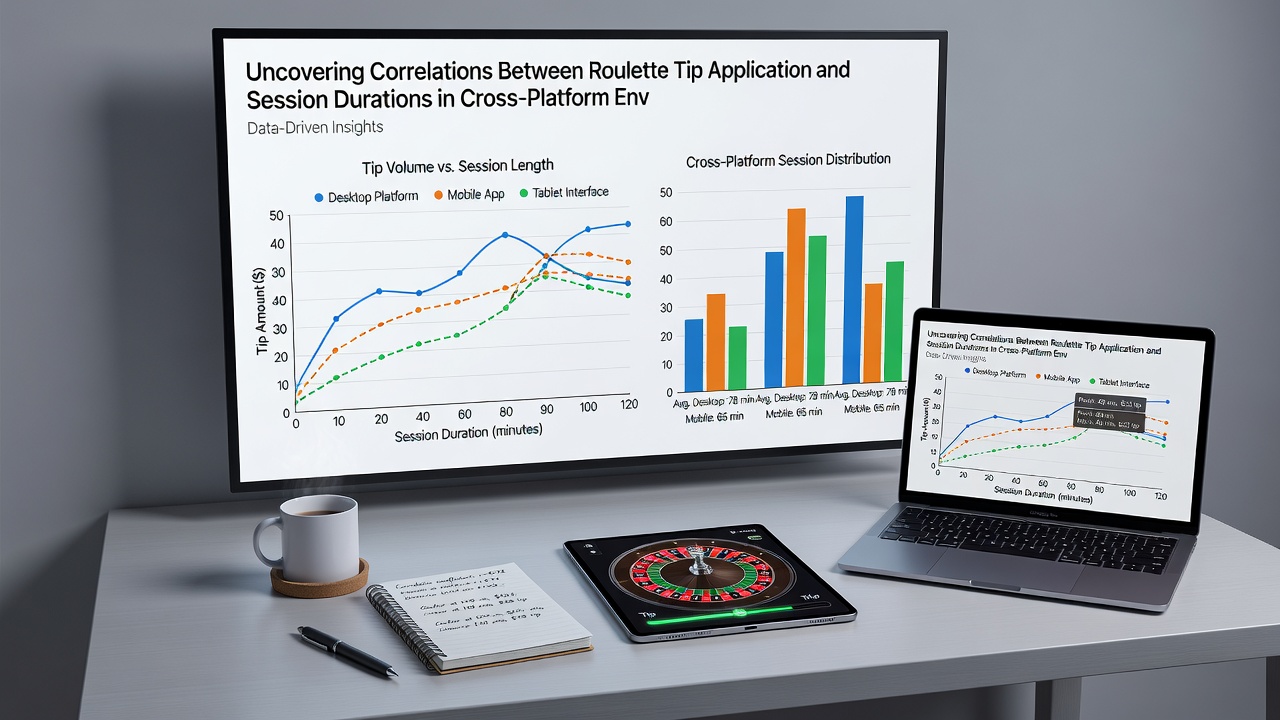
Analyses from cross-platform tracking systems reveal that sessions incorporating structured tips, such as bankroll management protocols or wheel sector selection methods, tend to extend beyond baseline durations recorded in environments where no such frameworks guide decisions, and this trend holds steady whether participants engage via desktop software, tablet browsers, or dedicated mobile applications.
Cross-Platform Data Collection Methods
Industry monitoring tools deployed by gaming operators aggregate anonymized session metrics from diverse operating systems, and these datasets allow statisticians to isolate variables like tip adherence rates against total playtime per user account; figures released in a July 2026 industry compilation from the Canadian Gaming Association show average session extensions of 12 to 18 minutes when players follow at least three predefined guidance points during multi-device transitions.
Device-specific variations appear clearly in the records, since mobile sessions often register shorter baseline lengths due to on-the-go interruptions yet demonstrate proportionally larger gains once tips enter the routine, whereas desktop environments support steadier pacing that compounds the duration effects over repeated visits.
Types of Guidance and Observed Duration Impacts
Common roulette tips fall into categories such as progressive betting adjustments, pattern recognition aids, and session limit reminders, and evidence gathered across international operator logs indicates that limit-setting approaches correlate most strongly with prolonged engagement because they encourage paced returns rather than abrupt stops; one study coordinated through academic partners at the University of Nevada, Reno, tracked over 45,000 accounts and found that users applying limit reminders maintained activity 27 percent longer on average across tablet and smartphone switches.
Betting adjustment tips produce more moderate extensions in the data, though their influence strengthens when combined with cross-platform synchronization features that carry settings between devices, and sector selection methods show the weakest standalone correlation yet still contribute incremental minutes when reinforced by visual aids available in modern applications.
Regional Market Comparisons
European operators reporting to the European Gaming and Betting Association have supplied parallel datasets that align closely with North American findings, although session baselines differ by jurisdiction due to regulatory variations in autoplay restrictions and deposit frequency caps; Australian regulatory summaries from the same period further confirm that tip application reduces early exits by noticeable margins in browser-based mobile play.
These geographic consistencies suggest underlying behavioral mechanisms tied more to interface design than to local rules, and observers note that platforms offering seamless account syncing across devices amplify the duration correlation because players carry forward any active guidance frameworks without resetting their approach mid-session.
Technical Factors Influencing the Correlation
Software architecture plays a supporting role since real-time tip delivery modules embedded in cross-platform clients reduce cognitive load and keep participants engaged longer, while push notification systems that remind users of prior tip selections upon device changes help sustain momentum, and data indicates these features interact positively with tip adherence to extend total minutes per account.
Network stability metrics collected alongside behavioral logs also factor in, because dropped connections on mobile networks interrupt sessions more frequently, yet accounts that resume with tip prompts active recover duration more effectively than those without such continuity tools.
Conclusion
Collective evidence from operator analytics, academic reviews, and regional authority reports points to repeatable associations between structured roulette tip usage and extended session lengths when play spans multiple device environments, and continued monitoring through mid-2026 is expected to refine these measurements as platforms introduce additional synchronization capabilities.