Mapping Licensing Agreements' Influence on Roulette Software Distribution Across Continents
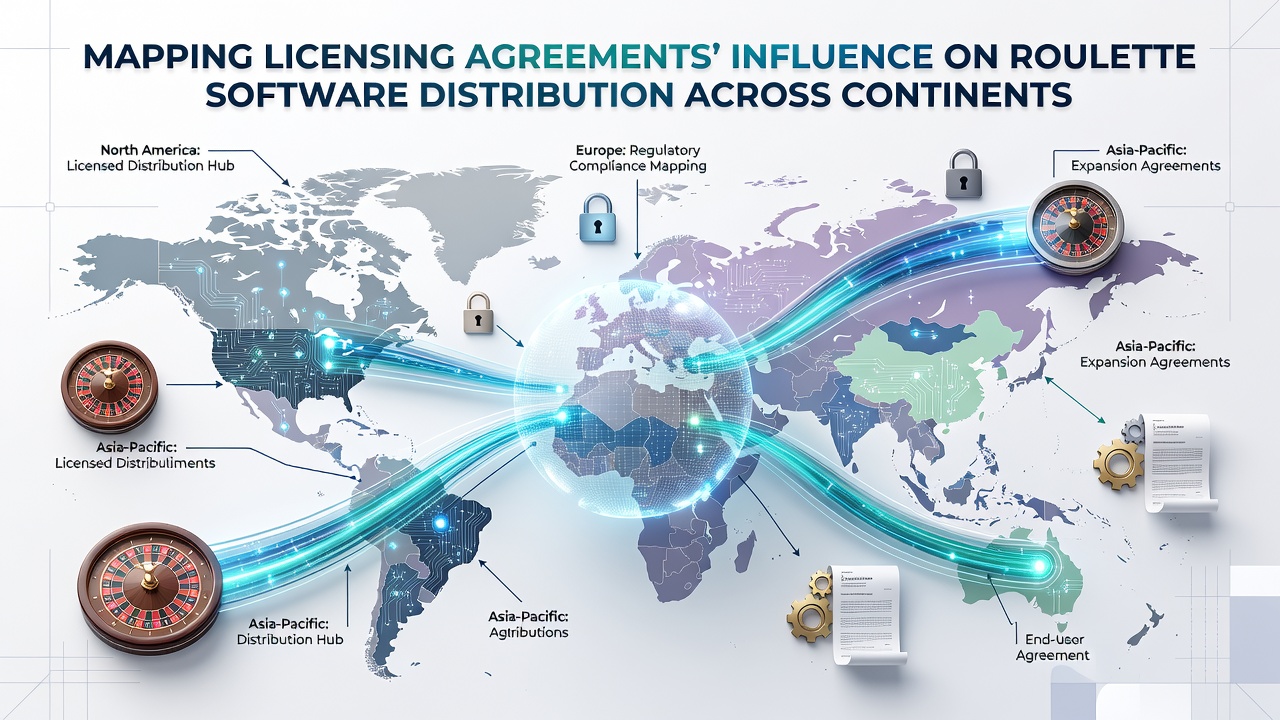
Licensing agreements shape how roulette software reaches operators and players on different continents, and data from regulatory bodies shows distinct patterns tied to jurisdiction-specific approvals. Providers secure certifications from authorities in Malta, Gibraltar, and the Isle of Man before software enters European markets, while separate frameworks govern entry into North American and Asia-Pacific regions. These agreements often include territorial restrictions that limit simultaneous launches across borders, creating staggered release timelines observed in industry reports from June 2026.
European Licensing Structures and Software Rollouts
Agreements with the Malta Gaming Authority establish baseline standards that allow roulette platforms to distribute across multiple EU member states under mutual recognition principles, yet individual countries impose additional compliance layers for localized features such as currency handling and language integration. Observers note that providers holding MGA licenses frequently expand into Eastern European markets within six months of initial certification, whereas Western European operators require supplementary audits before deployment. This creates a phased distribution model where core game engines reach operators in Germany and France later than in smaller jurisdictions like Estonia or Latvia.
North American Variations in Certification Requirements
State-level approvals in the United States drive fragmented software availability, with Nevada and New Jersey maintaining separate testing protocols that delay cross-state deployment of the same roulette titles. Licensing pacts between software developers and tribal gaming commissions in regions like Oklahoma further restrict certain RNG variants from reaching commercial markets until additional reviews conclude. Data indicates that agreements referencing Atlantic City regulatory standards often include clauses limiting mobile distribution until desktop versions receive full clearance, resulting in slower adoption rates across Canadian provinces that rely on shared technology pools.
Asia-Pacific Regulatory Gateways
Agreements tied to authorities in Singapore and Macau set stringent technical benchmarks that influence how roulette software enters broader Asian markets, with many providers routing initial releases through these hubs before expanding into Australia or Japan. Research from regional gaming associations shows that licenses granted under Philippine frameworks in early 2026 facilitated quicker distribution to Southeast Asian operators compared to routes requiring Australian accreditation. Those who've examined distribution logs find that territorial carve-outs in these agreements prevent simultaneous launches in China-adjacent territories, directing software flows instead toward licensed offshore platforms serving international players.

African and Latin American Distribution Patterns
Licensing arrangements originating from South African and Kenyan regulators create pathways for roulette software into sub-Saharan markets, often bundling certification with local tax compliance terms that affect revenue-sharing models. Providers with these agreements frequently partner with operators holding Curacao eGaming licenses to reach Latin American audiences, although data from June 2026 revealed extended timelines for Brazilian market entry due to pending federal legislation updates. Such layered agreements produce observable clusters where software appears first in mobile formats in Nigeria before desktop versions reach operators in Mexico or Colombia.
Intercontinental Agreement Overlaps and Conflicts
Overlapping clauses in multi-jurisdictional licenses sometimes force providers to maintain parallel versions of roulette software, one optimized for European RNG standards and another for North American payout verification systems. Industry reports highlight cases where agreements signed with the Nevada Gaming Control Board include explicit non-compete language affecting distribution into Australian territories until separate negotiations conclude. Those monitoring supply chains note that these conflicts lead to selective market prioritization, with software reaching operators in one continent months ahead of others despite originating from the same developer.
Conclusion
Licensing agreements continue to dictate the pace and geography of roulette software distribution through requirements that differ sharply by continent and regulatory body. Patterns observed through 2026 demonstrate how certifications from Malta, Nevada, Singapore, and South Africa create interconnected yet distinct routes that operators must navigate when expanding across borders. These frameworks produce measurable effects on availability timelines and format choices without uniform global standards in place.