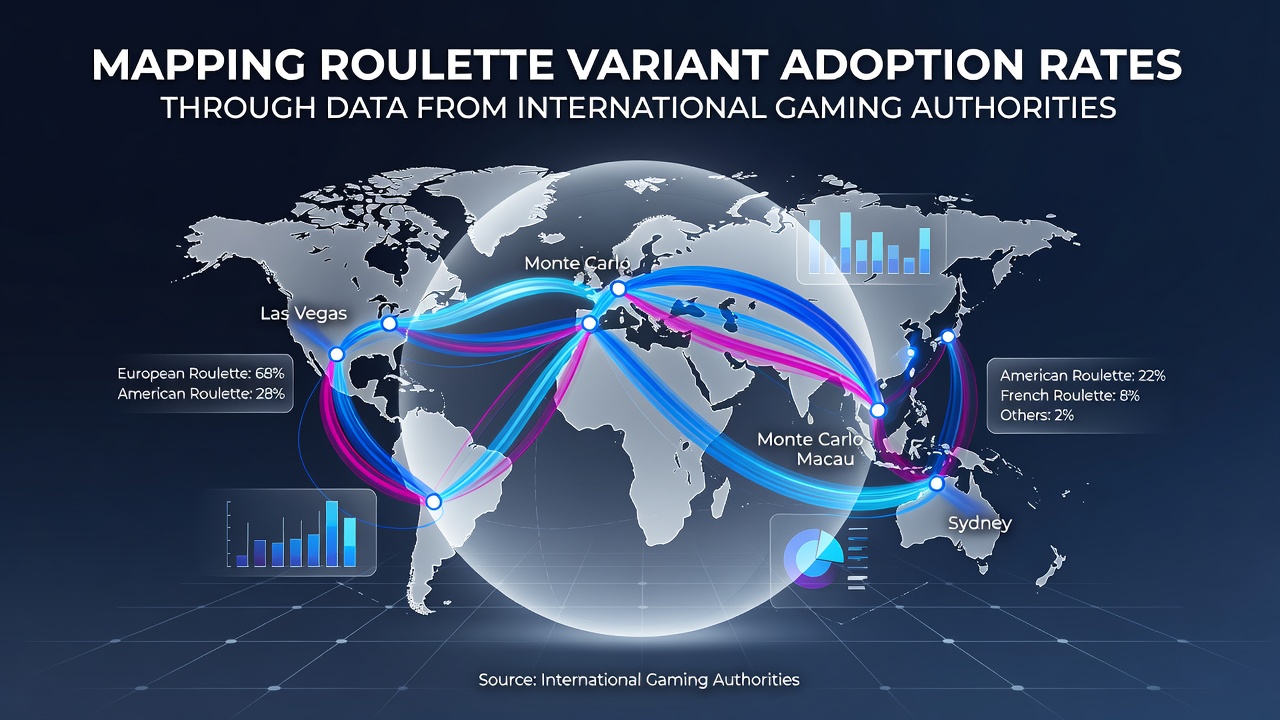
Mapping Roulette Variant Adoption Rates Through Data From International Gaming Authorities
International gaming authorities track roulette variant adoption through detailed licensing reports, player activity logs, and revenue filings that reveal how different wheel formats gain traction across regions. European, American, French, and emerging mini versions each show distinct patterns when authorities compile quarterly and annual statistics, while multi-wheel and hybrid options appear in select jurisdictions where regulations permit experimental formats.
European Data Patterns
Authorities in Spain through the Dirección General de Ordenación del Juego compile figures that place European roulette at the forefront of licensed offerings, accounting for roughly 68 percent of all wheel-based sessions logged in the first half of 2026. French roulette follows closely in markets where the la partage rule remains standard, yet adoption rates dip below 15 percent outside core Mediterranean operators. Data released in June 2026 indicates steady growth for mini roulette in mobile-first platforms, rising from 4 percent to nearly 9 percent of total roulette traffic within twelve months.
North American Trends
The Nevada Gaming Control Board publishes monthly summaries that separate American double-zero wheels from single-zero imports, and those records show American roulette still dominates land-based floors at 72 percent of reported handle while single-zero variants expand in online channels regulated by states such as New Jersey and Pennsylvania. Canadian regulators, including the Alcohol and Gaming Commission of Ontario, note that mini roulette and multi-ball hybrids together represent 11 percent of new game approvals since January 2025, with adoption concentrated among operators targeting younger demographics.
Asia-Pacific and Australian Records
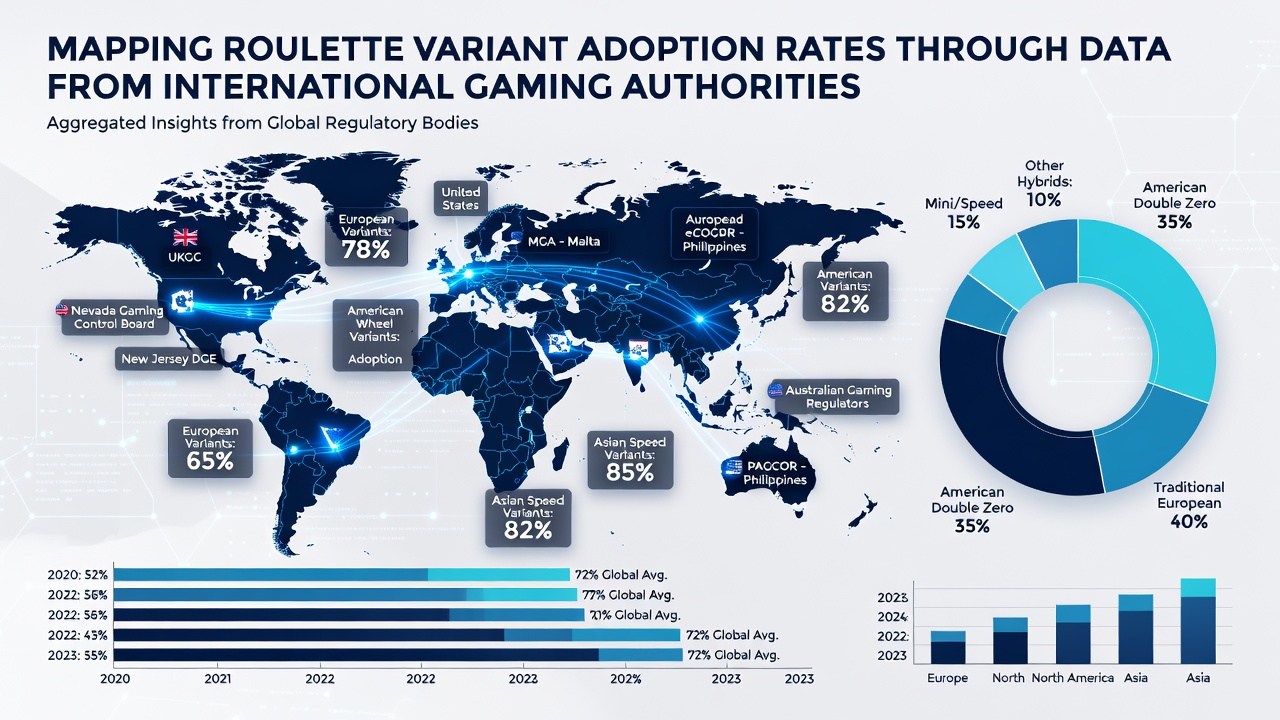
Australian state regulators supply aggregated figures that place European roulette at 54 percent of licensed online wheel play, with American variants holding 31 percent and French rules appearing mainly in premium VIP rooms. Research from the Australian Gambling Research Centre shows mini roulette adoption accelerating in New South Wales and Queensland, reaching 7 percent of total sessions by May 2026. Operators in Macau and Singapore submit data through their respective gaming commissions that highlight hybrid wheels incorporating both zero and double-zero pockets, yet these remain below 5 percent of overall roulette volume.
Variant-Specific Adoption Drivers
Single-zero European wheels maintain higher retention metrics in jurisdictions that cap house edges, according to filings from the Malta Gaming Authority and similar bodies, whereas American wheels persist in markets where players prioritize larger betting layouts over mathematical odds. French roulette with its specialized rules shows concentrated uptake in high-limit segments, while mini roulette benefits from shorter round times that align with mobile session lengths tracked by multiple regulators. Multi-wheel formats appear most frequently in test markets where authorities grant temporary licenses, allowing operators to measure engagement before full rollout.
June 2026 Snapshot and Cross-Regional Comparison
Figures compiled through June 2026 reveal that European roulette accounts for the largest share of new player registrations worldwide, yet American roulette retains stronger performance in physical casino environments. Mini and hybrid variants continue gaining ground in digital channels where regulators permit rapid iteration of game libraries. Observers note that licensing timelines, payout reporting requirements, and player verification systems all influence how quickly any single variant spreads from one jurisdiction to another.
Conclusion
Data streams from international gaming authorities create a clear picture of roulette variant distribution when aggregated across continents. European wheels lead in most regulated online spaces, American formats hold ground in traditional venues, and smaller or hybrid options carve out measurable niches where mobile play and experimental licensing intersect. Continued reporting from these bodies will track whether current percentages shift as new jurisdictions finalize rules and operators adjust offerings accordingly.