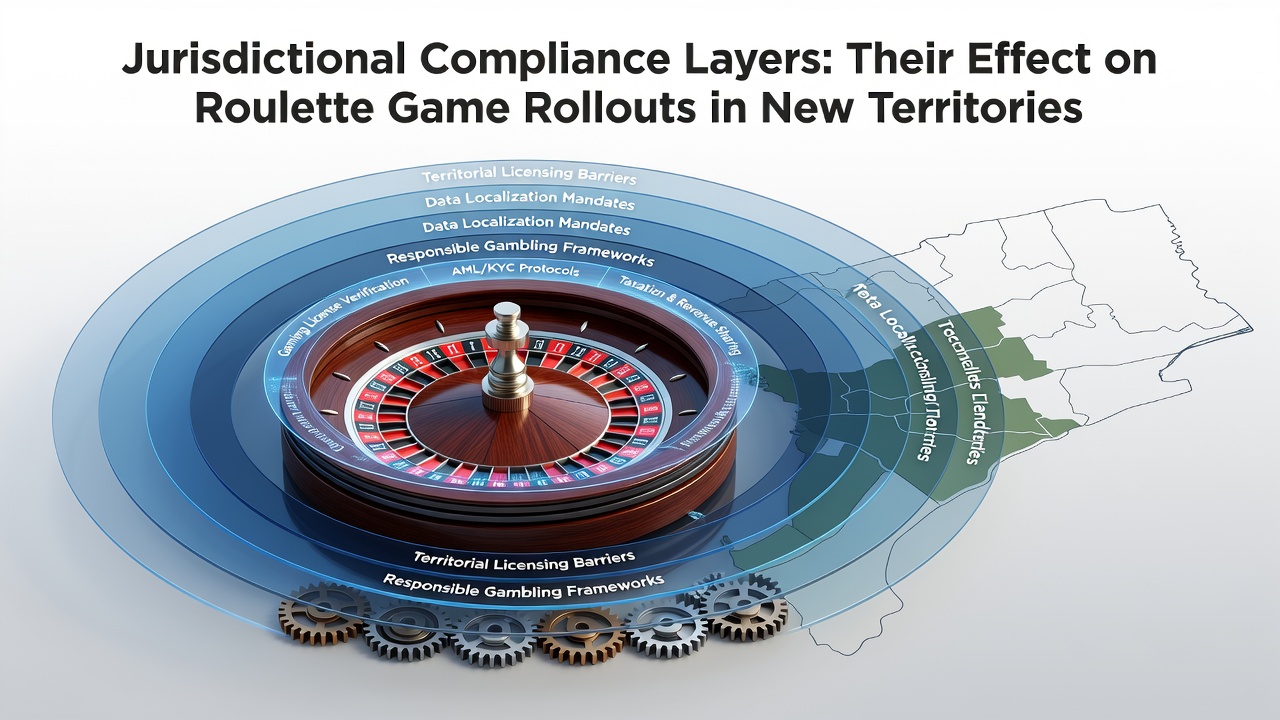
Regulatory Overlays and Roulette Market Entry: How Layered Jurisdictions Alter Game Deployment Timelines
Operators planning roulette expansions into fresh territories encounter stacked regulatory requirements that stretch approval cycles well beyond initial projections, and these layers accumulate through licensing, technical certification, and ongoing monitoring mandates. Data from international gaming authorities shows that new market entries now average 18 to 24 months from application to live deployment, compared with shorter windows recorded five years earlier.
Each jurisdiction imposes distinct technical standards on random number generators, payout verification systems, and player data handling protocols, which forces developers to run parallel testing regimens rather than a single unified audit. Researchers at the University of Nevada Reno Gaming Innovation Lab documented that European and North American certification pathways diverge on encryption thresholds, leading studios to maintain separate code branches for each region.
Layered Licensing Structures in Emerging Regions
Countries entering the regulated online gambling space typically adopt frameworks modeled on existing systems yet add local ownership rules, tax remittance schedules, and responsible gaming reporting obligations. Observers note that when a new licensing authority enters the market, it often references guidelines from bodies such as the Malta Gaming Authority or the Nevada Gaming Control Board while inserting additional clauses on server location and audit frequency.
Take the case of several Latin American jurisdictions that opened licensing windows in 2025; operators discovered that compliance required both national permits and municipal-level approvals for payment processing, which extended rollout schedules by four to six months. Figures released by the International Association of Gaming Regulators in July 2026 indicate that 62 percent of pending roulette titles faced delays tied to these overlapping approvals.
Technical Certification and Cross-Border Data Flows
Software providers must submit roulette platforms to accredited testing houses for RNG fairness, return-to-player calculations, and vulnerability assessments before any jurisdiction grants approval. When multiple territories demand separate audits, even minor updates trigger repeated reviews, and this compounds when authorities require on-premise server inspections alongside remote monitoring.
One documented example involved a major developer adapting a European-certified roulette engine for an Asian market that required localized jackpot seeding rules and real-time tax withholding modules. The adaptation process required three distinct certification cycles, each lasting between eight and eleven weeks, according to records shared at the 2026 Global Gaming Expo.

Player Protection Mandates and Their Operational Impact
New territories frequently introduce stricter deposit limits, session time caps, and identity verification protocols that operators must integrate into existing platforms before launch. These features demand backend modifications that affect game flow and reporting dashboards, while regulators retain rights to audit live data streams on short notice.
Evidence from the Canadian provinces that expanded online gaming in recent years shows that jurisdictions requiring monthly responsible gaming reports achieved faster compliance when operators used standardized APIs developed by the European Gaming and Betting Association. Yet markets without such templates experienced repeated resubmissions, pushing launch dates into subsequent quarters.
Taxation and Revenue Allocation Rules
Revenue-sharing formulas vary sharply across borders, and some authorities require operators to allocate portions of gross gaming revenue to local infrastructure funds or problem-gambling treatment programs. These obligations necessitate custom financial reporting modules that integrate with core roulette engines, adding another layer of pre-launch validation.
Studies compiled by the Asia-Pacific Association of Gaming Regulators reveal that territories imposing tiered tax rates based on player origin saw operators delay market entry until they could confirm accurate geo-location tracking systems. This verification step alone accounted for an average of 12 percent of total project timelines in the most recent dataset.
Conclusion
Jurisdictional compliance layers continue to shape roulette deployment patterns by extending technical validation periods, requiring localized software adaptations, and enforcing region-specific reporting structures. Operators that map these requirements early and align development resources accordingly have recorded shorter approval intervals, while those entering multiple new markets simultaneously face compounded scheduling pressures. Ongoing coordination among regulators, testing labs, and industry groups remains central to managing these overlapping obligations in territories opening to regulated roulette offerings.