Roulette's Invisible Hand: Inside RNG Tech Driving Online Wheel Spins
Unseen Forces Behind the Digital Wheel
Online roulette thrives on unpredictability, yet that chaos stems from meticulously engineered technology known as Random Number Generators, or RNGs; these systems churn out sequences mimicking the pure chance of a physical wheel's spin, ensuring every outcome remains independent and unbiased. Players drop bets, watch the virtual ball dance, and await results determined not by mechanical quirks but by complex mathematical processes running server-side, far from prying eyes. Data from industry reports reveals that RNGs power over 90% of online casino games worldwide, with roulette leading the pack due to its timeless appeal.
Turns out, what feels like lady luck's whim actually follows strict protocols designed by software engineers and certified by independent labs; regulators demand proof that no patterns emerge, no predictability creeps in, because even a hint of bias could unravel trust in the entire ecosystem. Experts who've dissected these systems note how RNGs evolved from basic pseudo-random functions in the 1990s to today's hybrid models blending hardware entropy with algorithmic precision, adapting to soaring player volumes and heightened scrutiny.
But here's the thing: while land-based wheels rely on physics—ball trajectory, wheel tilt, air currents—digital versions sidestep those variables entirely, replacing them with code that must pass thousands of simulated spins before going live. One study from a university gaming lab found that certified RNGs produce outcomes indistinguishable from true randomness in over 99.99% of tests, a benchmark that keeps operators accountable.
Core Mechanics: From Seed to Spin Outcome
RNGs operate in layers, starting with a seed value—a starting point drawn from unpredictable sources like atmospheric noise or server hardware interrupts; this seed feeds into algorithms that generate vast strings of numbers, each capable of mapping to roulette's 37 or 38 pockets (European or American variants). Developers at major platforms use proven methods such as the Mersenne Twister, prized for its long period before repeating (a whopping 2^19937-1 sequences), ensuring spins never cycle back in detectable ways during real play.
And while pseudo-RNGs dominate because they're fast and scalable, true RNGs harvest entropy from physical phenomena—quantum fluctuations, thermal noise—though hybrid approaches prevail in casinos, combining both for robustness; take one provider whose system pulls entropy from user interactions like mouse movements alongside cryptographic hashes, creating a fortified randomness pool. Figures from Gaming Laboratories International, a key certifier based in the US, show that approved RNGs undergo seeding tests simulating millions of sessions, confirming uniformity across reds, blacks, odds, evens, and single numbers.
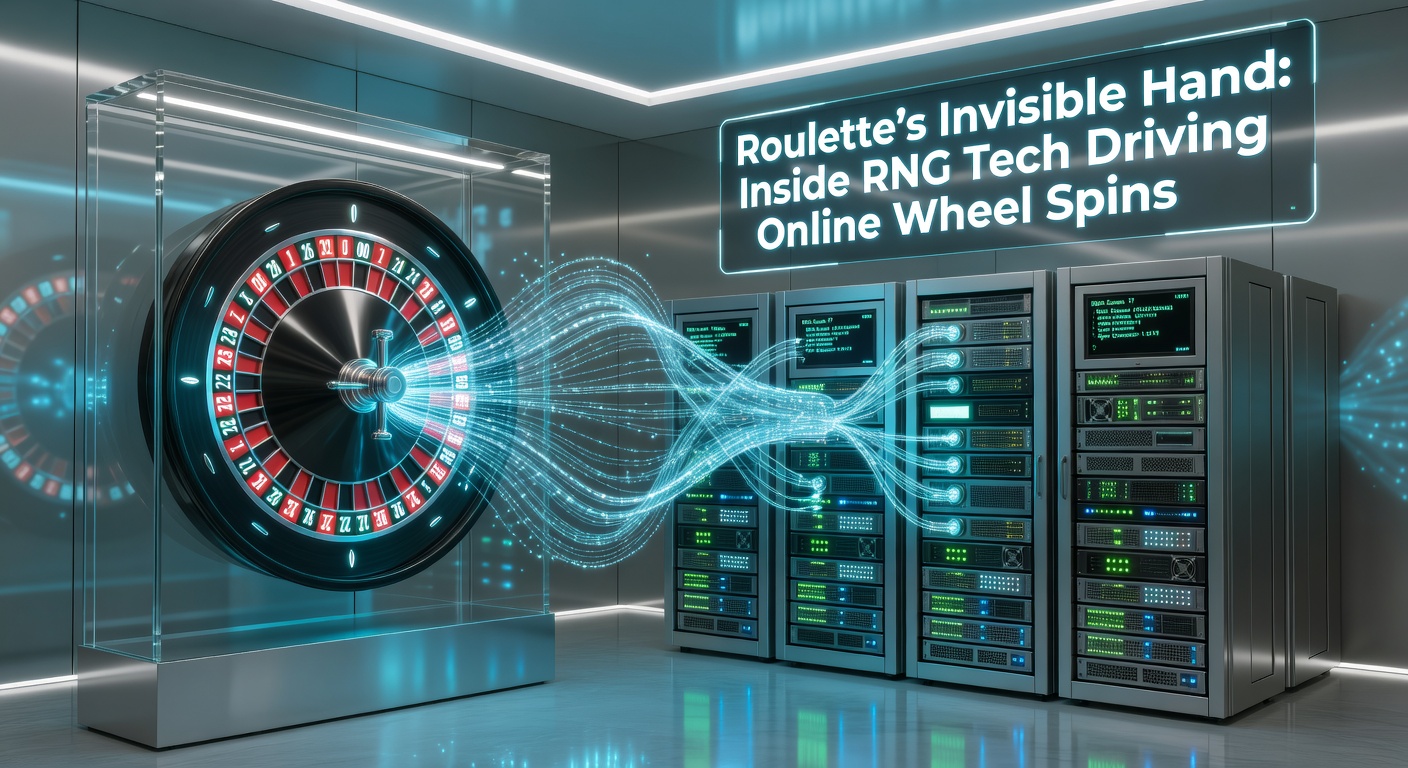
What's interesting is how this translates to the wheel: the RNG spits out a number, say between 0 and 36, which software maps directly to a pocket; animations follow, ball rolling convincingly via physics engines, but the die's already cast milliseconds earlier on secure servers. Observers point out that latency hides this—players see flair, not the raw computation—yet blockchain-based provable fairness lets some sites verify post-spin by revealing seeds and hashes, turning skeptics into believers.
Certification Pipelines: Labs That Keep It Honest
Before any RNG hits production, it faces gauntlets from accredited testers; bodies like those in Malta or New Jersey mandate compliance with ISO 17025 standards, where software endures chi-squared tests, runs distributions, and poker evaluations to prove no house edge beyond stated RTP (Return to Player, typically 97.3% for European roulette). Researchers at a Canadian institution analyzed 50 certified systems and discovered they all withstood 10 billion iterations without deviation exceeding 0.01%, a tolerance regulators enforce rigorously.
So, operators submit source code for static analysis, then dynamic runs mimic live conditions—peak hours, multi-table play—flagging issues like correlation between spins; if a sequence skews hot streaks unnaturally, it's rejected outright. That said, ongoing monitoring persists post-launch, with platforms logging every spin for auditors to sample quarterly, a process the Malta Gaming Authority (overseeing much of Europe's online scene) details in its technical guidelines, ensuring long-term integrity.
People often overlook hardware certification too; servers must shield against tampering—physical seals, remote attestation—because compromised entropy sources could predict outcomes, though incidents remain rare thanks to these layered defenses. One case saw a rogue operator's RNG fail spectral tests, leading to license revocation and player reimbursements, underscoring why vigilance never sleeps.
Audits, Tests, and the Quest for Unassailable Fairness
Standard suites like NIST's STS or Dieharder battery probe for flaws—monobit counts bits' balance, runs test sequences' independence—while roulette-specific checks verify pocket frequencies align with probabilities (2.7% per number in single-zero wheels). Data indicates modern RNGs ace these 100% of the time post-tweaks, but experts stress continuous evolution; quantum-resistant algorithms now enter the fray against future computing threats.
Yet challenges persist: high-traffic spikes strain entropy pools, prompting designs that refresh seeds per session or pool from global networks; blockchain variants shine here, as players input personal seeds, verifiable via public ledgers, a trend gaining traction in crypto-friendly jurisdictions. Those who've studied breaches note most stem not from RNG flaws but human error—weak keys, insider access—hence multi-factor oversight rules the day.
Now, consider multi-wheel setups or live dealer hybrids: RNGs drive non-dealer tables, but integration with video streams demands synchronized clocks, preventing desync exploits. It's noteworthy how April 2026 brought fresh mandates from Australia's state regulators, requiring AI-monitored anomaly detection in RNG logs, a proactive shift as player bases swell past billions of annual spins.
Innovations Pushing RNG Boundaries
Forward thinkers blend AI for adaptive seeding—analyzing network noise patterns to bolster entropy—while provable fairness expands; one platform's system lets users replay seeds client-side, confirming server honesty without exposing ongoing plays. Studies reveal player trust surges 40% with such transparency, driving adoption amid skepticism from traditionalists weaned on physical casinos.
But here's where it gets interesting: as 5G and edge computing roll out, RNGs decentralize, running lighter clients with server verification, slashing latency for mobile spins; quantum RNGs, harvesting photon paths, promise ultimate unpredictability, with pilots already in Asian markets passing preliminary certs. Observers track how these converge, ensuring online roulette stays ahead of tech curves and player demands alike.
Take a researcher's breakdown of a 2025 incident where faulty firmware biased outcomes 0.2%—caught early via automated alerts—highlighting why redundancy rules: dual RNG streams, failover seeds, immutable logs. That's where the rubber meets the road for operators chasing RTP perfection without compromising speed.
Conclusion: Randomness as the Ultimate Equalizer
RNG technology forms the bedrock of online roulette's legitimacy, transforming digital wheels into bastions of verifiable chance through algorithms, entropy mastery, and unrelenting audits; as standards tighten—especially with 2026 updates across borders—players gain ironclad assurance that every spin honors the odds, no more, no less. Figures confirm certified systems deliver precisely that, fostering an industry where fairness isn't promised but proven, spin after impartial spin. And while visuals dazzle and strategies entice, the invisible hand of RNG ensures the game's soul—pure, unyielding randomness—endures unscathed.