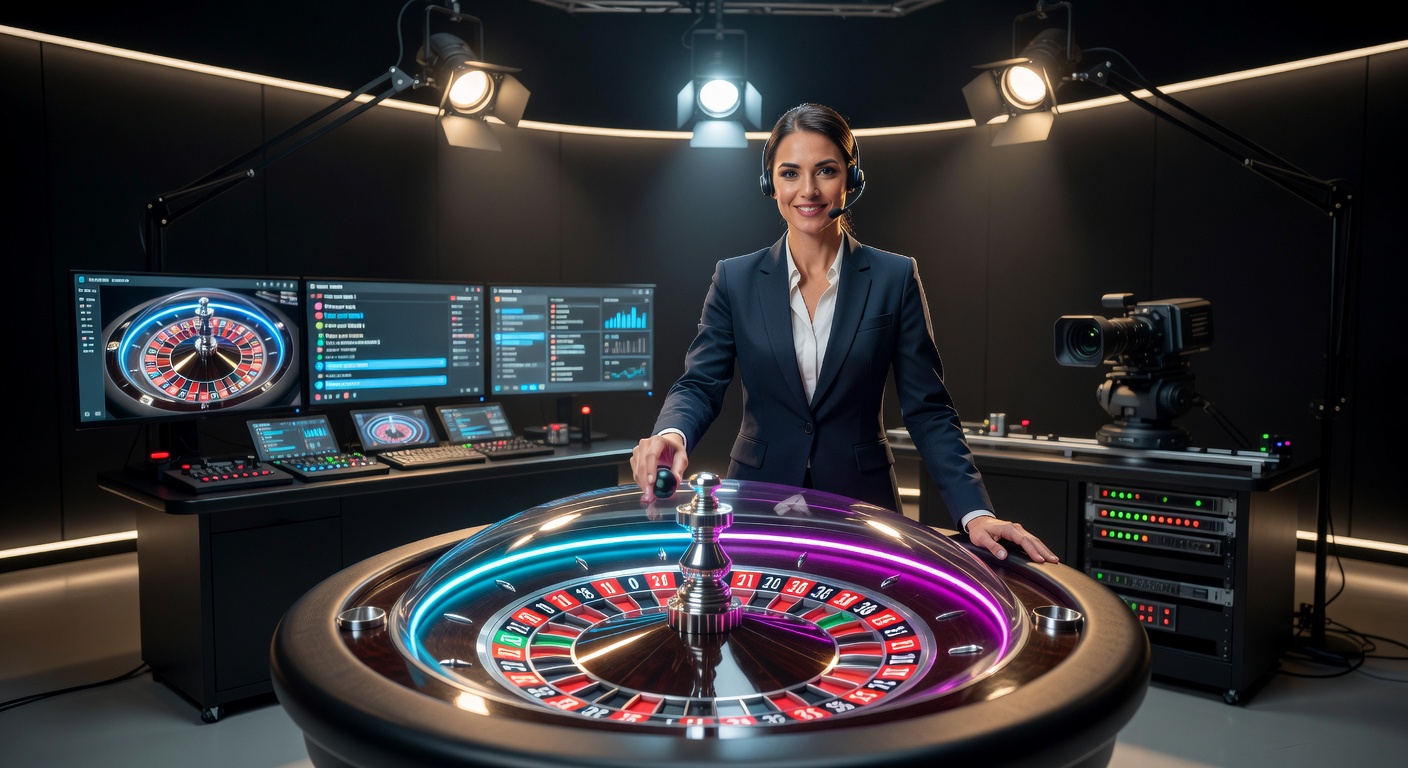
Studio Spotlights: Tech, Talent, and the Seamless Flow of Live Dealer Roulette Broadcasts
Behind the Scenes: How Live Dealer Roulette Came to Dominate Online Play
Live dealer roulette broadcasts pull players into casino floors from anywhere, blending physical wheels with digital interfaces; studios worldwide stream real-time action, where dealers spin authentic wheels while software handles bets and payouts instantly. Data from industry reports shows live casino revenues surged 25% year-over-year in early 2026, with roulette leading the pack because viewers crave that human touch amid randomized spins. Turns out, these setups evolved from basic webcam trials in the early 2010s to multi-million-dollar operations today, complete with 4K streams and interactive chats.
What's interesting is how studios mimic land-based glamour; crystal chandeliers hang overhead, green baize tables gleam under spotlights, and roulette wheels imported from Europe click with precision—yet everything runs on fiber-optic networks for zero-lag delivery. Players place wagers via apps, watch the ball drop in real time, and hear the dealer call outcomes, creating immersion that RNG versions can't match. And in April 2026, studios reported peak traffic as spring promotions drew record logins, pushing daily spins past 500,000 across major platforms.
Tech That Keeps the Wheel Turning Without a Hitch
High-speed cameras form the backbone—dozens positioned around each table capture close-ups of the wheel, wide shots of the layout, and overhead views of chip stacks; optical character recognition (OCR) software reads numbers instantly, syncing results to player screens before the ball even settles. Lighting rigs with adjustable LEDs eliminate shadows, ensuring every red-black divide shows crystal clear, while redundant internet lines from providers like those in Latvia's tech hubs prevent dropouts that could sour a session.
But here's the thing: streaming protocols such as WebRTC deliver sub-second latency, so bets lock just as the dealer announces "no more bets," mirroring Vegas timing exactly. Servers in data centers process thousands of simultaneous streams, using edge computing to route European feeds to EU players and Asian ones to the East, cutting delays further. Research from the Malta Gaming Authority highlights how these systems undergo rigorous testing, with uptime exceeding 99.99% in licensed operations.
Now consider audio tech; directional mics pick up wheel rattles and dealer banter without crowd noise bleed, and noise-cancellation algorithms filter imperfections, delivering ASMR-level clarity to headphones worldwide. Sensors embedded in wheels detect biases early—tilts as small as 0.1 degrees trigger maintenance alerts—keeping spins fair and random as audited RNGs.
The Human Element: Dealers Who Make Broadcasts Click
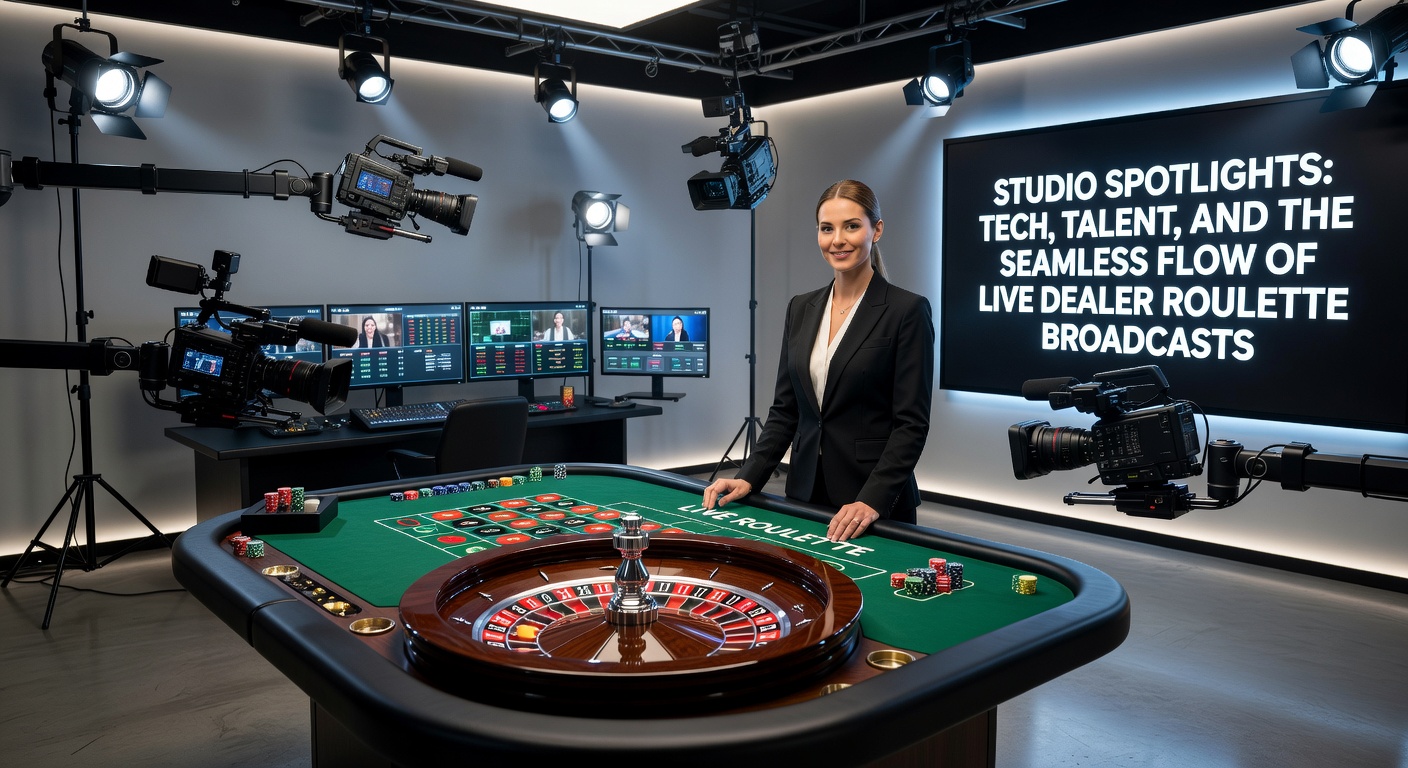
Dealers train for months in rhythm and patter, mastering spins that land balls predictably enough for entertainment but randomly for fairness; many hail from casino floors in places like the Philippines or Latvia, bringing accents that charm global audiences while explaining rules in multiple languages. Programs run by studios emphasize stamina—shifts last eight hours with breaks—alongside media training for camera awareness, since a glance or smile boosts player retention by 15%, per internal metrics.
Take one dealer spotlighted in industry profiles: a former Monte Carlo croupier who now fronts multilingual tables, switching from English to Spanish mid-game without missing a beat; her sessions average 20% higher engagement because viewers sense the expertise. Background checks and continuous certification ensure integrity, with random drug tests and anti-collusion protocols standard across operations. And as April 2026 unfolded, studios ramped up hiring amid expansion, onboarding 500 new talents trained on hybrid tables that blend roulette with game show twists.
Observers note how personality shines through; chatty dealers crack light jokes about hot streaks, building rapport that keeps players betting longer, whereas stoic ones appeal to high-rollers seeking focus. It's not rocket science—talent scouts prioritize charisma alongside technical chops, creating broadcasts that feel like friendly nights out rather than sterile spins.
Studio Hubs Around the Globe: From Malta to Manila
Studios cluster in regulated zones for tax perks and talent pools; Malta's facilities, sprawling across Valletta outskirts, beam feeds to Europe with 24/7 ops powered by solar backups, while Philippine hubs in Manila crank out Asian-focused streams using local crews fluent in Tagalog and Mandarin. Latvia's Riga setups lead in volume, housing 200+ tables under Nordic efficiency, their cold climates keeping equipment cool without massive AC bills.
Yet the U.S. edges in via partnerships; New Jersey studios licensed by the New Jersey Division of Gaming Enforcement serve state-legal players, integrating with apps for seamless deposits. Figures reveal these global networks handled 1.2 billion roulette rounds in Q1 2026 alone, with cross-studio load balancing ensuring no single site overloads during peaks like weekend evenings.
Inside, control rooms buzz like NASA missions—producers cue camera switches, directors monitor chat for issues, and techs tweak lighting on the fly; modular sets allow quick swaps from classic European roulette to lightning-fast variants, keeping broadcasts fresh. (One quirky aside: some studios pipe in faint casino floor sounds from partners, heightening the vibe without extra noise.)
The Magic of Seamless Broadcasts: Low Latency and Player Magic
Picture this: a player in Sydney bets on 17 black at 2 a.m., sees the dealer in Latvia spin the wheel live, and collects winnings 30 seconds later—all glitch-free because adaptive bitrate streaming adjusts quality on weak connections without buffering. Multi-angle replays let viewers rewind spins, chat features spark banter, and side bets like "neighbors" integrate via overlaid graphics that don't obscure the action.
What's significant is redundancy; backup dealers shadow main ones, ready to jump in if illness strikes, while AI monitors for anomalies like wheel slowdowns, alerting humans instantly. Data indicates latency under 200ms correlates with 30% higher playtime, explaining why top studios invest millions in private 5G networks linking tables to clouds.
So during April 2026's big tournament series, broadcasts peaked at 100,000 concurrent viewers per table, with zero reported outages; innovations like AR overlays—showing bet probabilities in real time—further blurred lines between studio and screen, drawing even casual players deeper.
Conclusion: The Future Spins Bright for Live Dealer Evolution
Studios fuse cutting-edge tech with skilled talent to deliver roulette broadcasts that pulse with authenticity, from OCR-synced outcomes to dealer-driven energy that hooks millions nightly. As expansions continue—think VR tables rolling out by late 2026—players stand to gain even richer experiences, all while regulators ensure fairness across borders. The wheel keeps turning, smoother than ever, proving live dealer roulette isn't just a game; it's the gold standard for online thrills.