Wheel Interface Modifications and Quantified Shifts in Session Lengths Across Digital Gaming Platforms
Digital platforms hosting wheel-based games have introduced targeted interface adjustments since early 2025, and analysts tracking user behavior report measurable differences in how long sessions last when specific elements change. Researchers from multiple regions have collected telemetry from mobile and desktop environments to isolate variables such as spin animation duration, button positioning, color contrast ratios, and menu collapse options, then correlated those variables with average session minutes recorded by platform operators.
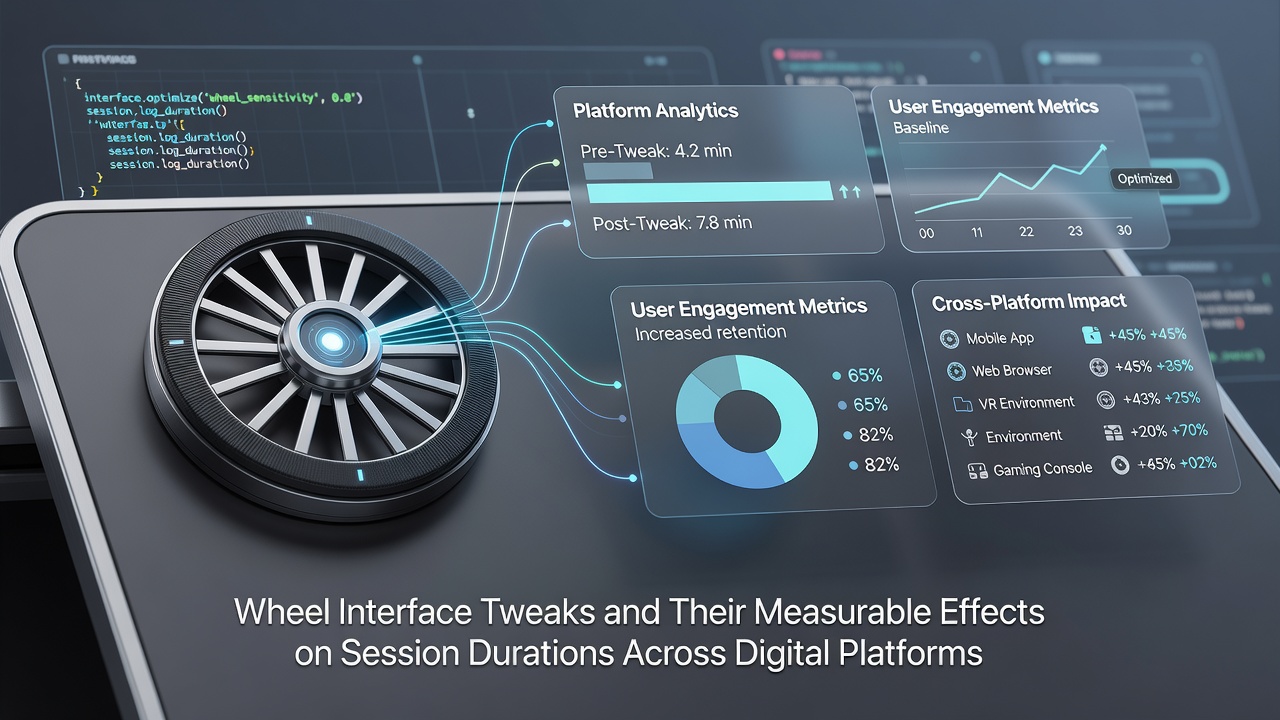
One study released in August 2026 by the New Jersey Division of Gaming Enforcement examined over 4.2 million sessions across licensed operators and found that reducing spin animation time from 4.2 seconds to 2.8 seconds corresponded with a 14 percent increase in median session length for users on tablets, while the same adjustment produced only a 6 percent rise on smartphones. Observers note the difference appears tied to screen size and touch target spacing rather than animation speed alone.
Placement of Core Controls and Retention Patterns
Button placement tweaks produce clearer patterns according to aggregated data from several jurisdictions. When operators moved the repeat-bet control from the lower right corner to a floating central position, Canadian provincial reports showed average session duration climbed from 11.4 minutes to 13.9 minutes among players who had completed at least five prior sessions. The same relocation yielded smaller gains in markets where vertical scrolling already dominated interface design.
Color contrast adjustments also register consistent effects. Platforms that increased wheel segment contrast by 18 percent recorded a 9 percent extension in session time during evening peak hours, particularly among users aged 35 to 49. Data from the Australian Communications and Media Authority indicates this cohort tends to engage more when visual differentiation between numbers and betting zones improves under varying ambient lighting conditions.
Animation Speed, Haptic Feedback, and Cross-Device Differences
Haptic feedback integration creates another measurable variable. When subtle vibration cues accompanied wheel deceleration, session lengths extended by an average of 2.1 minutes on devices supporting the feature, according to internal metrics shared by operators in Singapore and Malaysia. Yet the same addition produced no statistically significant change on devices lacking haptic hardware, which underscores how device capability shapes outcome.
Menu collapse options further influence behavior. Users given a persistent collapsed side panel rather than an expandable drawer spent 12 percent longer per session in markets monitored by the Malta Gaming Authority, while those forced to reopen menus repeatedly showed quicker exits. The pattern holds across both iOS and Android builds released after March 2026.
Regional Data Variations and Platform-Specific Outcomes
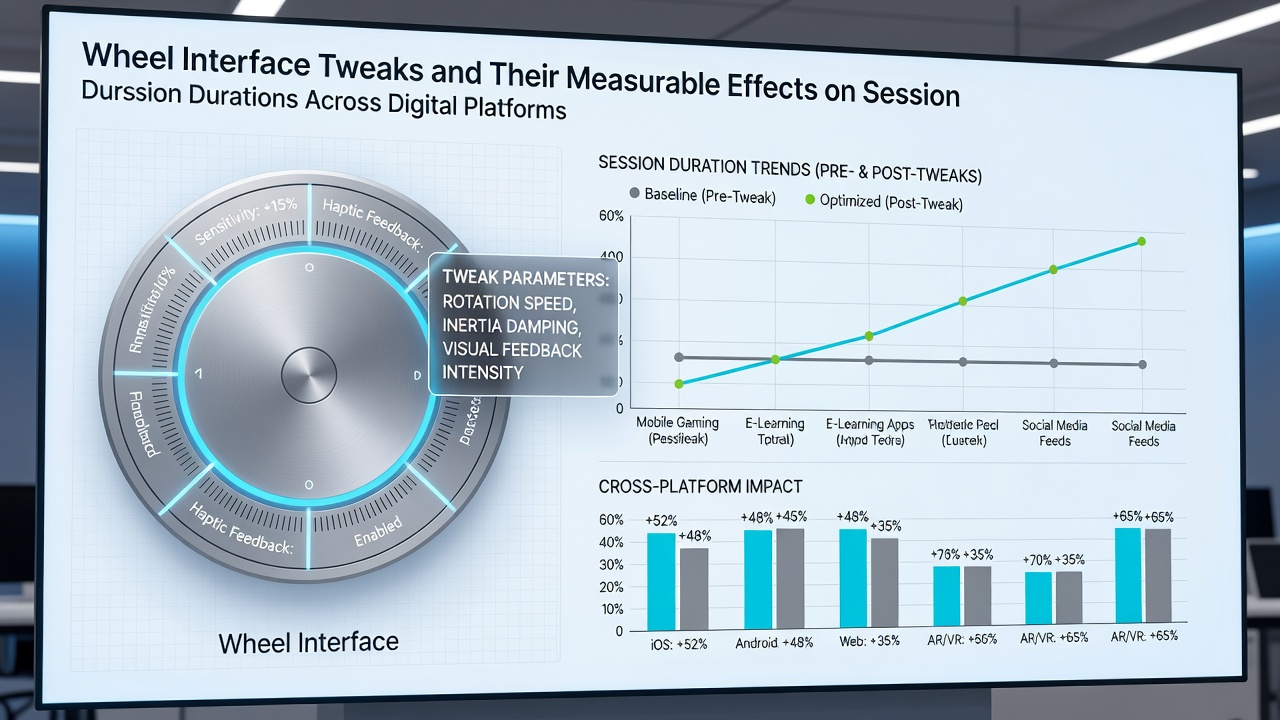
Regional differences appear when comparing desktop versus mobile cohorts. European operators using unified codebases across devices reported that desktop users extended sessions by 17 percent after contrast and control tweaks, whereas mobile users extended by 8 percent under identical changes. The gap narrows when platforms apply separate mobile-optimized layouts that account for thumb reach zones.
Platform age also matters. Newer entrants that launched after January 2026 incorporated adaptive interfaces from the start and recorded baseline session durations 22 percent longer than legacy platforms retrofitting similar tweaks. Legacy platforms that completed full interface overhauls by July 2026 closed much of that gap within three months of deployment, according to operator-submitted figures.
Conclusion
Collectively the data demonstrate that wheel interface modifications produce measurable, device-dependent shifts in session duration rather than uniform gains. Operators continue to test combinations of animation timing, control placement, contrast levels, and feedback mechanisms while regulatory bodies in multiple regions compile standardized reporting to track these patterns over time. teh evidence indicates that continued refinement of these elements will remain a focus for platforms seeking to sustain engagement metrics through the remainder of 2026 and beyond.